Blogs
Insights, research and updates on Activated Carbon & Anthracite Coal Markets
ACTIVATED CARBON
By laxmi-international-admin
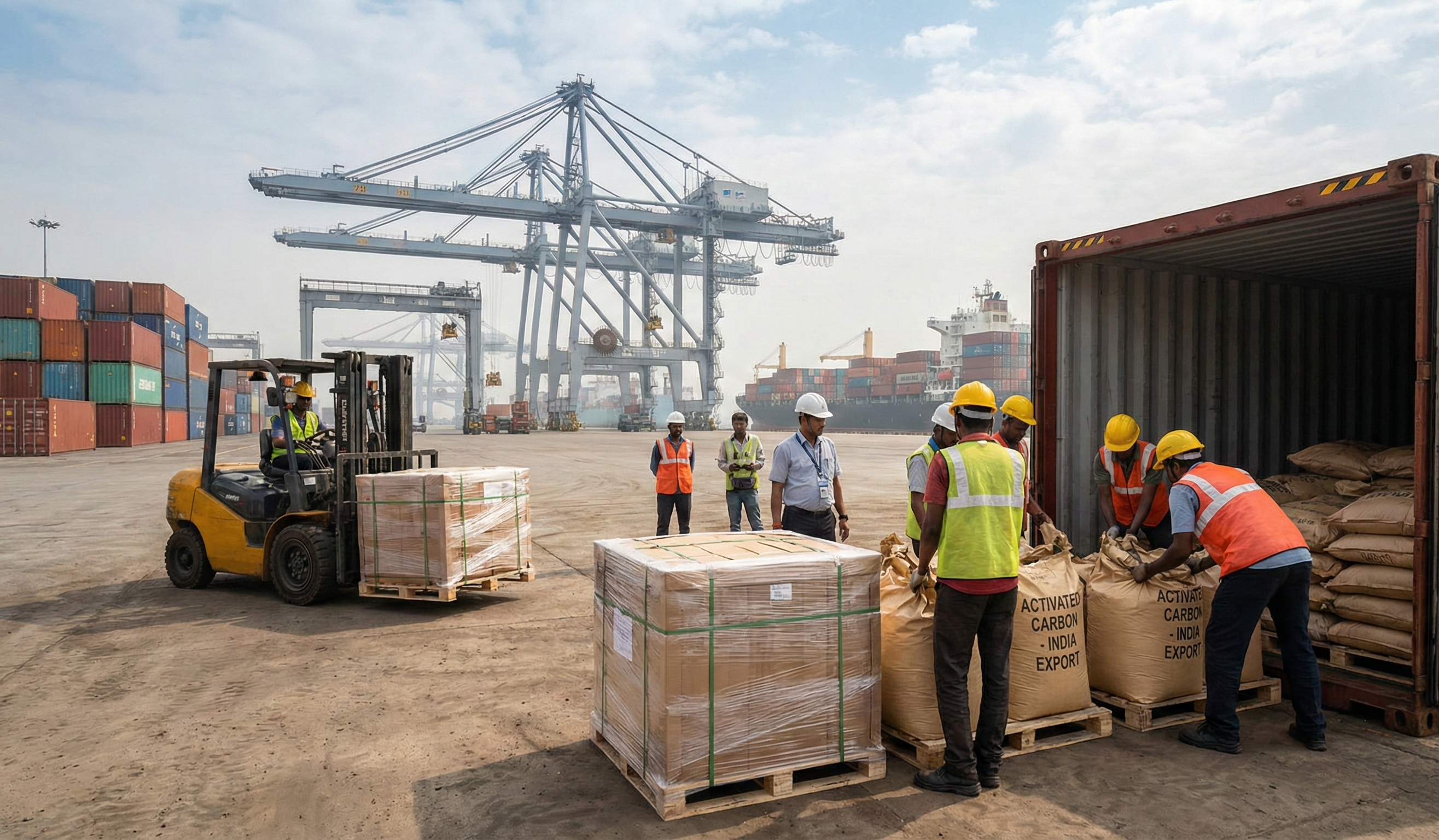
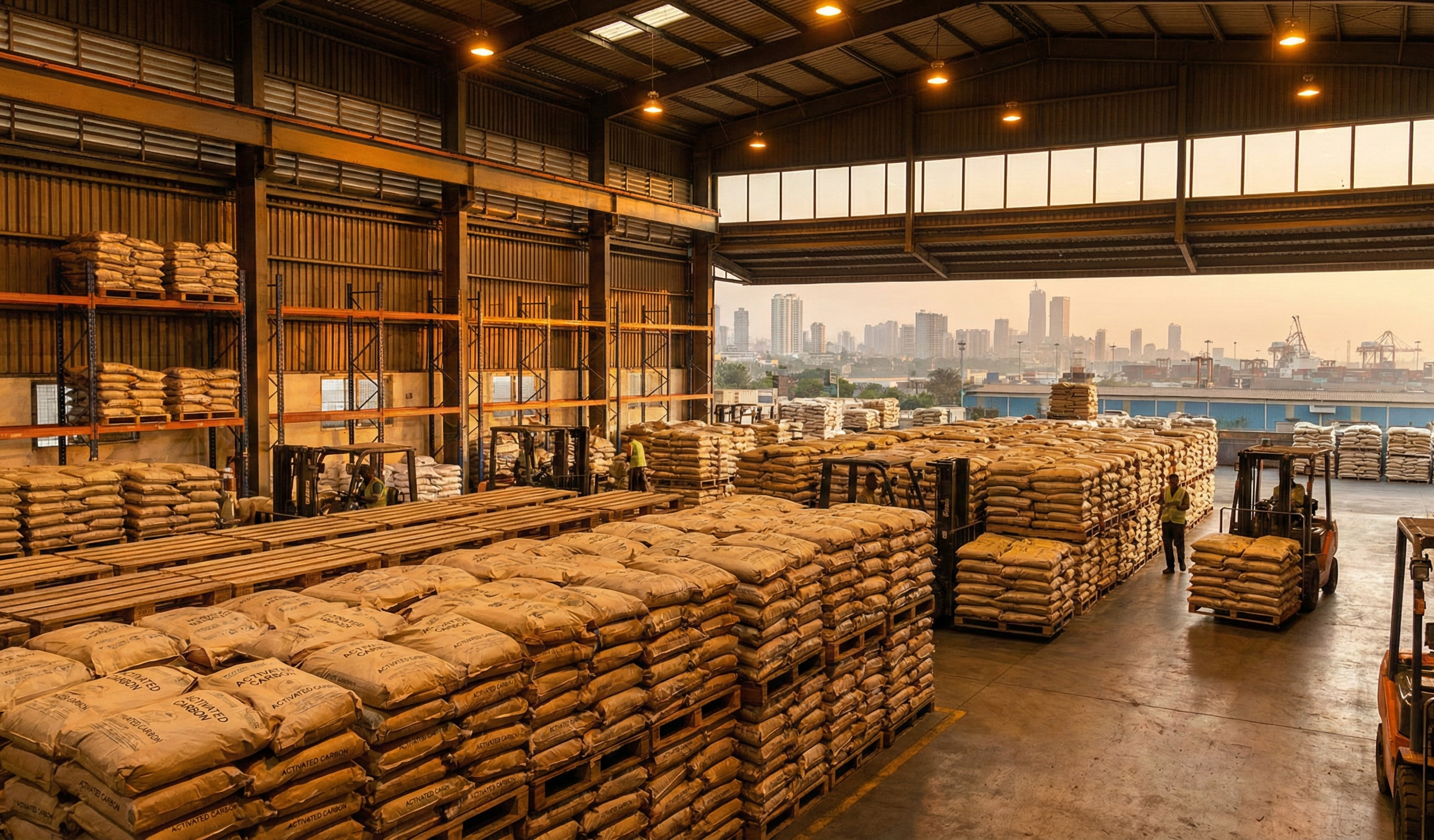
Exporting activated carbon successfully requires precise classification, export packing, and
accurate documentation. Use
correct HS codes, include COA and Certificate of Origin, and ensure export packaging
prevents moisture ingress.
Polywoven sacks with inner liners, palletization, and sealed containers are common to
protect carbon during maritime
transit and avoid quality degradation.
//
ACTIVATED CARBON
By laxmi-international-admin
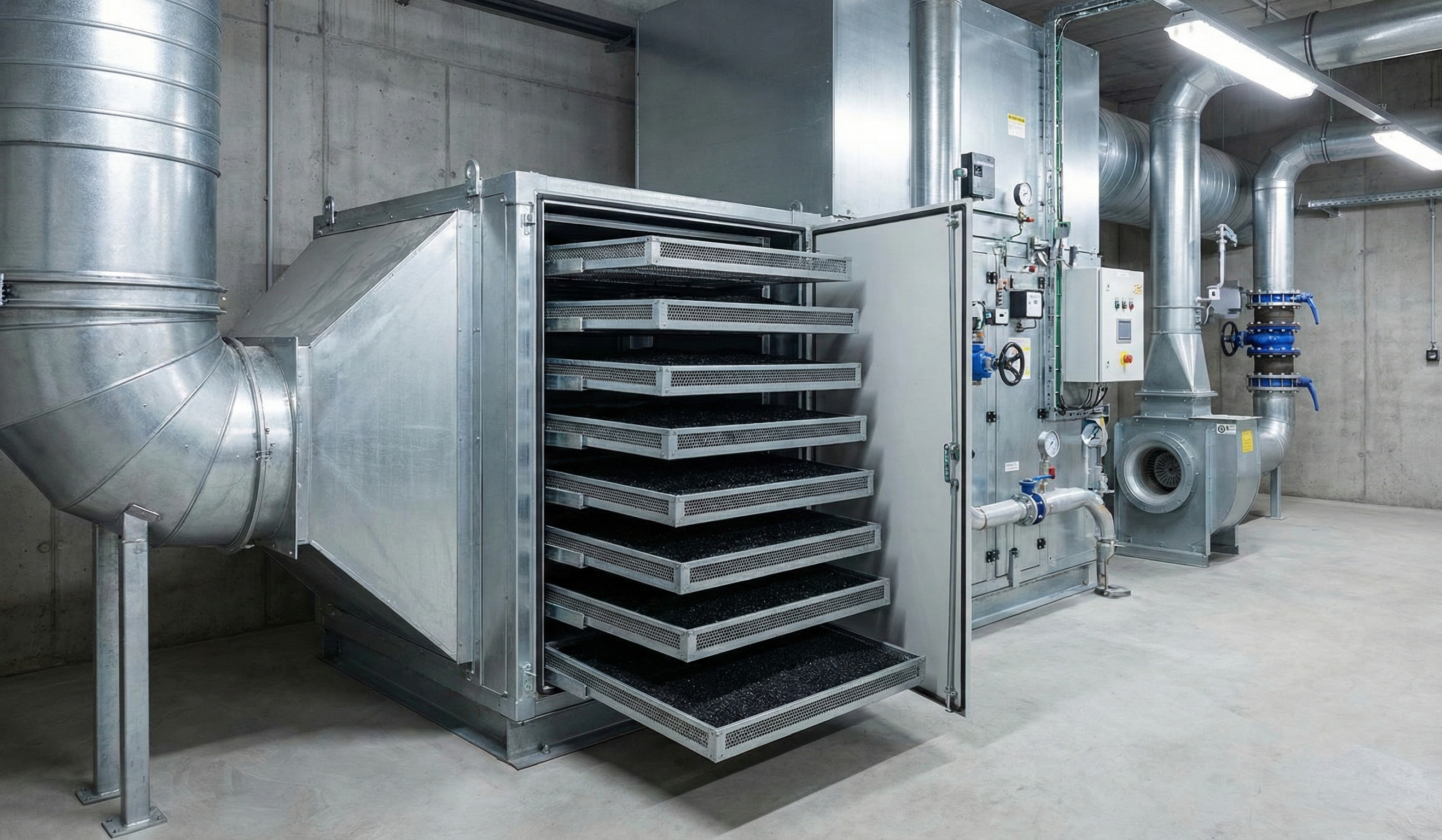
Activated carbon is widely used in air filtration systems for VOC removal, odour control, and
emission abatement. Its
porous structure adsorbs gaseous contaminants effectively when contact time and carbon bed depth
are properly matched to
the pollutant concentration. In HVAC systems and process exhaust treatment, carbon beds reduce
odors and protect
downstream equipment.
//
ACTIVATED CARBON
By laxmi-international-admin
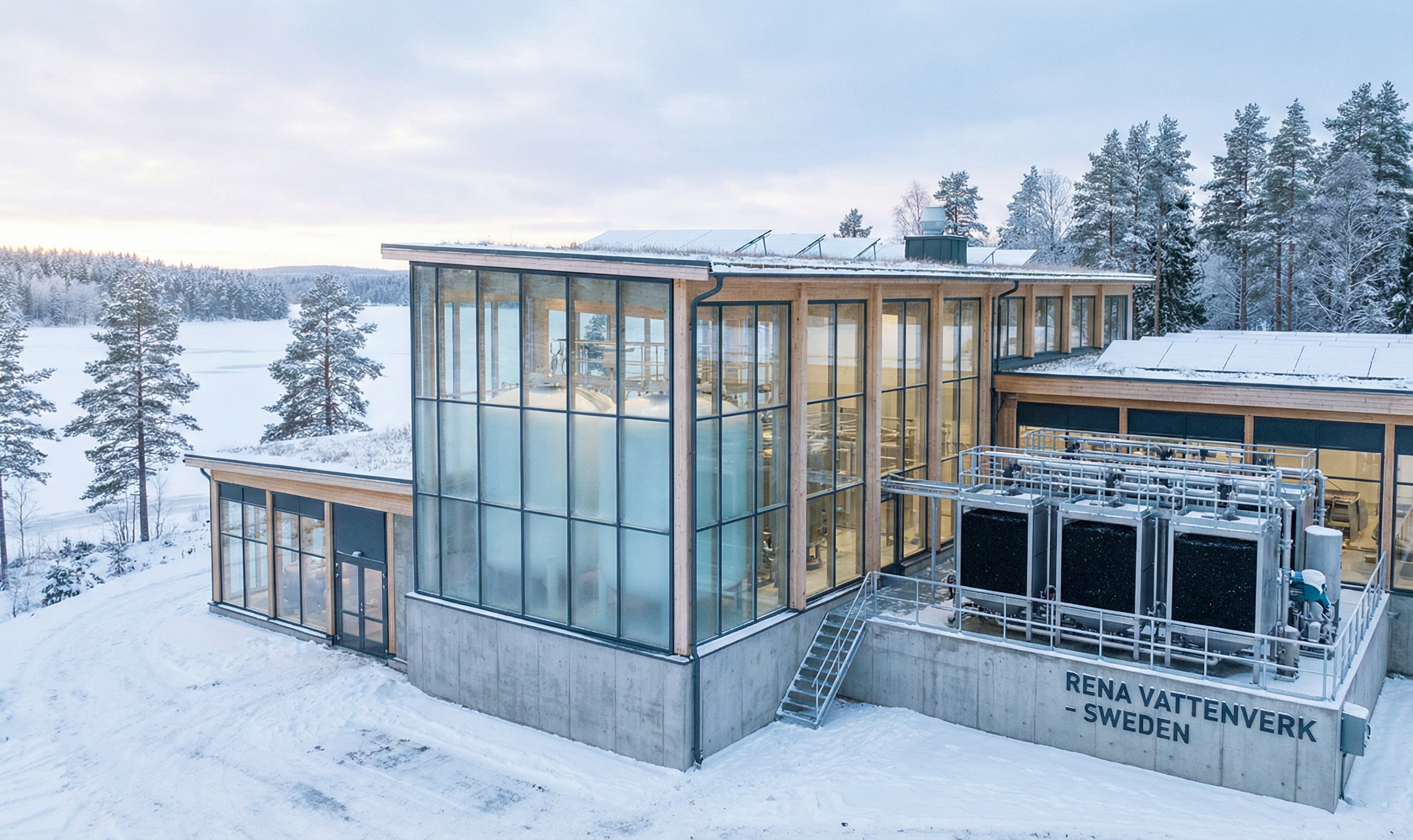
Coconut shell-based activated carbon requires low ash, high hardness, and consistent particle
size
for
industrial use. It’s ideal for gold recovery, air purification, and high-grade water treatment.
Meeting these specifications ensures superior performance in demanding applications.
//
ACTIVATED CARBON
By laxmi-international-admin
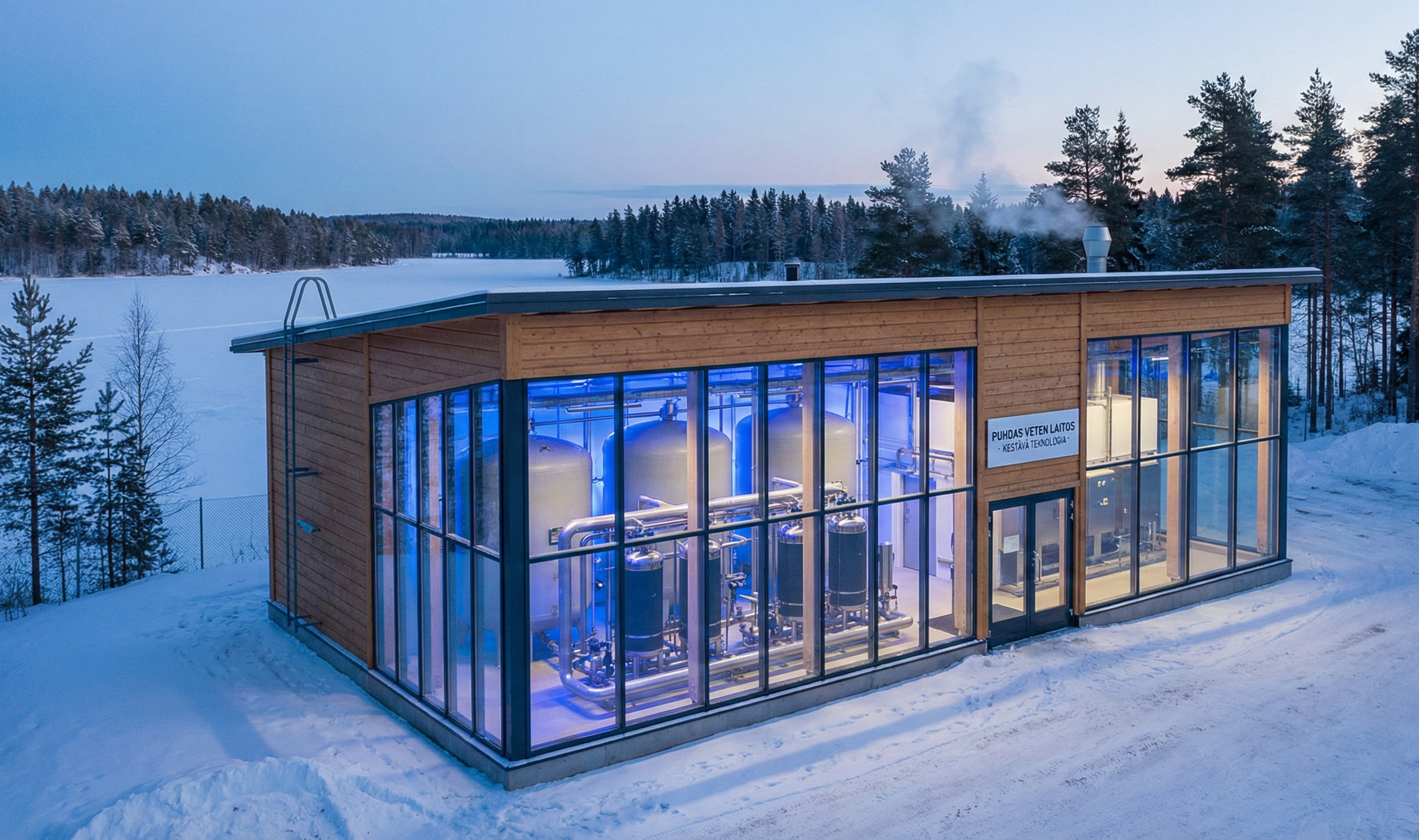
Activated carbon supports solvent recovery, wastewater recycling, and emission control — all key
elements of
industrial purification and circular economy strategies. Its regenerability makes it an
attractive
material
for repeated use.
Implementing carbon-based recycling can both reduce waste and recover valuable materials.
//
ACTIVATED CARBON
By laxmi-international-admin
Turning agricultural residues, nutshells, and sawdust into activated carbon reduces waste and
creates
value.
Waste-derived carbons meet sustainability goals while offering good adsorption when properly
activated.
Scaling these processes can reduce landfill pressure and increase local production capacity for
industries.
//